
 Gemma
Gemma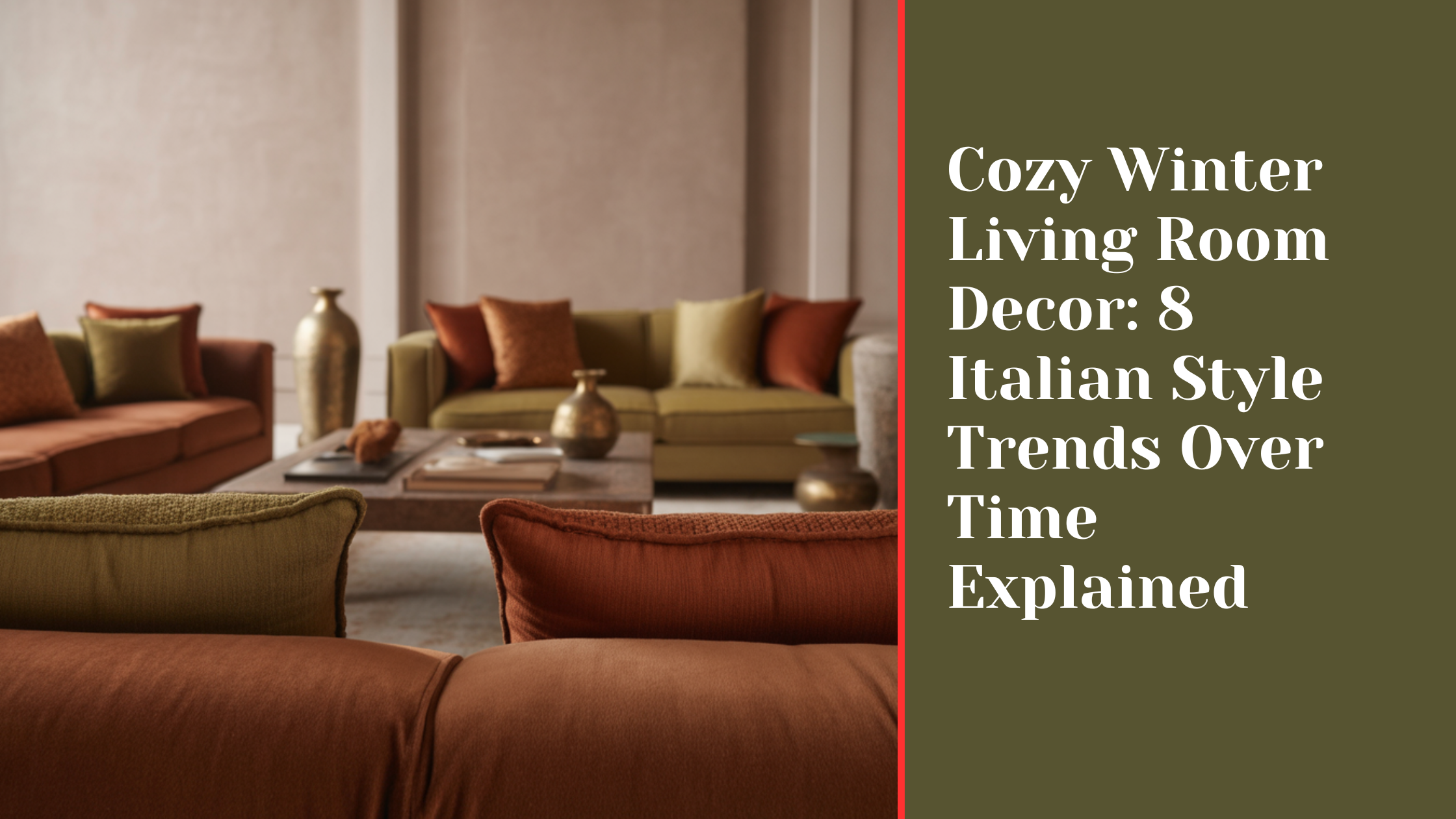
A winter living room sets the mood for how you rest, host, and slow down. In Italy, winter decor has always focused on warmth, comfort, and daily living. Italian homes do not chase fast trends. They grow with time, family habits, and seasonal needs. Cozy winter living room decor in Italian style reflects this mindset. It blends function, beauty, and emotion in a way that feels natural and lived-in.
This guide explains the meaning of cozy winter living room decor through eight Italian style trends that developed over time. Each trend shows how Italian homes respond to cold weather while keeping spaces welcoming and practical. You will learn how these ideas started, how they evolved, and how you can use them today in your own living room.
What Cozy Winter Living Room Decor Means in Italian Homes
In Italy, cozy winter decor focuses on daily comfort. It does not rely on excess items or fast changes. The goal is to create a space where you can sit for hours, talk, eat, read, and relax without feeling cold or rushed.
Italian living rooms often serve many roles. You watch TV, host guests, share coffee, and sometimes eat simple meals in the same space. Winter decor supports these habits by adding warmth through texture, color, and layout.
Cozy does not mean crowded. Italian homes value balance. Every item has a role. Furniture feels solid. Materials feel honest. The room invites you to stay longer, especially during cold evenings.
Trend 1: Stone and Wood as the Foundation of Warmth
Italian winter living rooms often start with natural materials. Stone and wood have shaped Italian interiors for centuries. In winter, these materials help keep spaces warm and grounded.
Stone floors or walls hold heat well. Many older homes use terracotta or natural stone tiles. In winter, rugs sit on top to add comfort underfoot. Wood beams, shelves, and furniture soften the cool feel of stone.
Over time, this trend moved from rustic homes to modern apartments. Today, you still see wood coffee tables, oak shelves, and stone fireplaces in Italian living rooms. These elements add weight and calm to the space.
You can apply this trend by choosing solid wood furniture or stone-inspired surfaces. Add woven rugs to balance the texture and keep the room comfortable.
Trend 2: Deep, Warm Color Palettes for Winter Comfort
Italian winter living rooms often use deep, warm colors. These colors create a sense of shelter during cold months. Shades like terracotta, olive green, deep brown, and warm beige appear often.
In earlier decades, walls stayed neutral, while furniture carried color. Sofas in dark fabrics and patterned cushions added warmth. As styles evolved, Italians began to paint accent walls in richer tones while keeping the rest of the room soft.
Today, you may see muted reds, clay tones, or warm gray walls paired with natural light. These colors work well in winter because they reduce glare and create a calm mood.
You can use this trend by adding warm tones through throws, cushions, or curtains. If you prefer neutral walls, layer color through textiles and art.
Trend 3: Layered Textiles for Practical Coziness
Layering textiles is a key part of Italian winter decor. This trend grew from the need to stay warm in older buildings with thick walls and limited heating.
Wool blankets, cotton throws, and heavy curtains became common. These items served a purpose first. Over time, they also became design elements. Patterns stayed simple. Textures did the work.
In modern homes, this trend continues with layered cushions, soft rugs, and fabric-covered seating. Italians often mix materials but keep colors in the same family to avoid visual clutter.
You can adopt this style by layering a wool throw over your sofa, adding a textured rug, and using curtains that block drafts. Focus on comfort first, then balance the look.
Trend 4: Fireplaces as Emotional and Visual Centers
The fireplace has long shaped Italian winter living rooms. In older homes, it served as the main heat source. Families gathered around it during winter evenings.
As heating systems improved, fireplaces became more symbolic. They still anchor the room, even when not in use. Stone or plaster surrounds add character and warmth.
Over time, fireplace designs shifted from large rustic builds to cleaner, simpler forms. Modern Italian living rooms may feature sleek inserts or decorative mantels.
If you do not have a fireplace, you can still use this idea. Create a visual center with a console, candles, or warm lighting. The goal is to give the room a focal point that draws you in during winter.
Trend 5: Soft Lighting for Long Winter Evenings
Lighting plays a major role in Italian winter decor. Short days and long nights require light that feels warm and gentle.
In the past, Italian living rooms relied on table lamps and wall sconces. Overhead lights stayed soft or stayed off. This habit remains strong today.
Modern Italian interiors use layered lighting. Floor lamps, table lamps, and indirect wall lights create a calm glow. Light temperatures stay warm, not harsh.
You can follow this trend by avoiding strong ceiling lights at night. Use lamps with warm bulbs. Place lights at different heights to create depth and comfort.
Trend 6: Comfortable Seating Built for Conversation
Italian living rooms value conversation. Seating layouts support this, especially in winter when you stay indoors longer.
Traditional layouts placed sofas and chairs facing each other. Coffee tables stayed within reach. This setup encouraged long talks and shared moments.
Over time, seating became softer and deeper. Fabrics grew thicker for warmth. Modular sofas now appear in many homes, but the focus on comfort remains.
You can recreate this by arranging seating to face inward. Add cushions for support. Choose upholstery that feels warm to the touch during cold months.
Trend 7: Personal Objects and Lived-In Details
Italian winter decor often includes personal items. Books, ceramics, framed photos, and handmade objects fill shelves and tables.
This trend grew from family-centered living. Homes tell stories through objects collected over time. Winter makes these details more visible because you spend more time indoors.
Modern Italian living rooms still embrace this idea. The difference lies in balance. Items stay meaningful, not random.
From my own personal experience, Italian homes feel cozier in winter because they reflect real life. You see signs of daily use, shared meals, and long evenings spent together.
You can apply this trend by displaying items that matter to you. Keep them organized. Let the room feel lived-in without feeling messy.
Trend 8: Simple Winter Styling That Respects the Space
Italian winter living rooms avoid excess decoration. The focus stays on comfort and use. Seasonal changes remain subtle.
In the past, winter styling meant adding heavier fabrics and closing shutters earlier. Today, it may include swapping light cushions for warmer ones or adding candles.
This trend shows respect for the space itself. The room does not change identity each season. It adapts.
You can follow this approach by making small winter updates. Change textiles. Adjust lighting. Keep the layout stable so the room feels familiar and calm.
How These Italian Trends Evolved Over Time
Italian winter decor trends did not appear overnight. They grew from climate, culture, and daily habits. Older homes shaped the need for warmth and durability. Family life shaped the layout and use of space.
As Italy modernized, these values stayed strong. New materials and designs entered homes, but the focus on comfort remained. Trends adapted without losing purpose.
Today, Italian winter living rooms mix old and new. You may see a modern sofa paired with a vintage rug. You may find sleek lighting beside a wooden table passed down through generations.
How You Can Use Italian Winter Decor Ideas Today
You do not need an Italian home to use these ideas. Start by focusing on how you use your living room in winter. Ask what makes you feel warm, relaxed, and at ease.
Choose materials that feel good in cold weather. Add layers where you sit and walk. Use color to soften the room. Adjust lighting for evenings.
Most of all, design the space for real life. Italian winter decor works because it supports how you live, not just how the room looks.
Why Italian Cozy Winter Living Rooms Feel Timeless
Italian winter living rooms feel timeless because they grow slowly. Trends evolve, but core values stay the same. Comfort matters. Family matters. Daily use matters.
This approach avoids fast changes and waste. Items stay longer. Spaces feel familiar year after year.
When you design your living room with these ideas, you create a space that works every winter. It feels warm, personal, and calm without effort.
Final Thoughts on Cozy Italian Winter Living Room Decor
Cozy winter living room decor in Italian style reflects care, balance, and daily comfort. The eight trends show how Italian homes respond to cold weather through thoughtful choices rather than excess design.
By focusing on warmth, texture, light, and use, you can bring this feeling into your own space. Let your living room support long evenings, quiet moments, and shared time.
Winter becomes easier when your home invites you to slow down and stay awhile.

I’m Gemma, a passionate lifestyle blogger sharing my creative world with you. Gemitaliano.com is my little corner of the internet, glad you’re here.